


~ Click on Images to Enlarge ~
Smith C. Daniell, II, a wealthy cotton planter, owned over 21,000 acres of plantation land in Mississippi and Louisiana. Daniell also owned Tensas Plantation by the town of St. Joe, Louisiana that “was just across the river in a straight line from Windsor.” [1]
Mr. Daniell’s listed his acreage of land holdings in 1860 were as follows: [2]
Attala County, Miss.  - 400 acres
Bolivar County, Miss. - 1440 acres
Carroll County, Miss. - 800 acres
Claiborne County, Miss. - 3211 acres
Issaquena County, Miss. - 1040 acres
Leflore County, Miss. - 1500 acres
Sunflower County, Miss. - 3440 acres
Washington County, Miss. - 3440 acres
Tensas County, Louisiana - 6510 acres


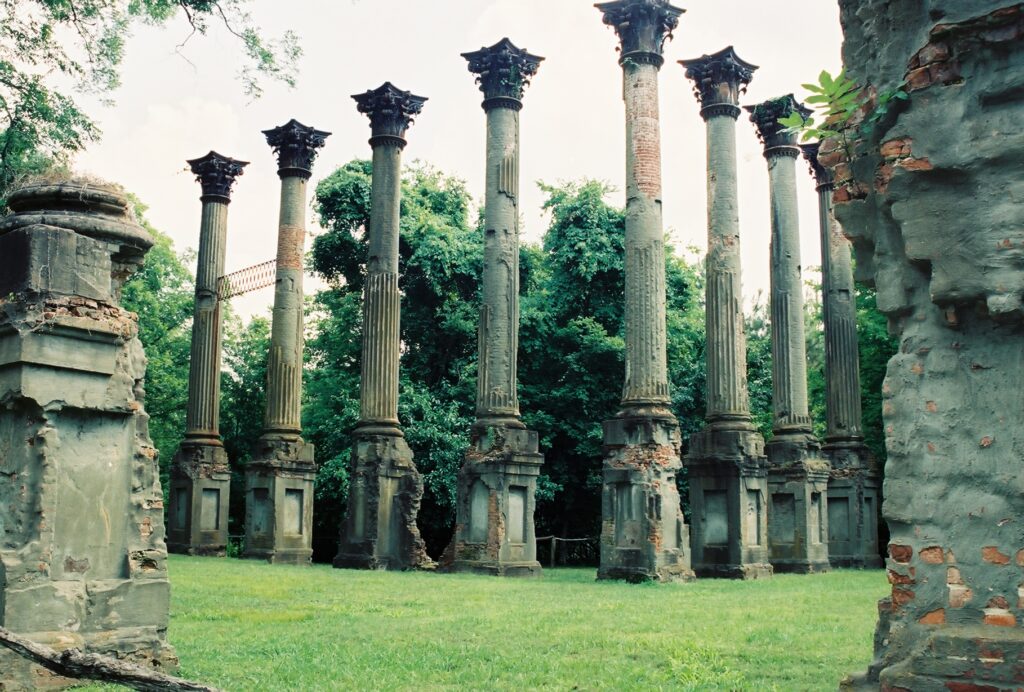
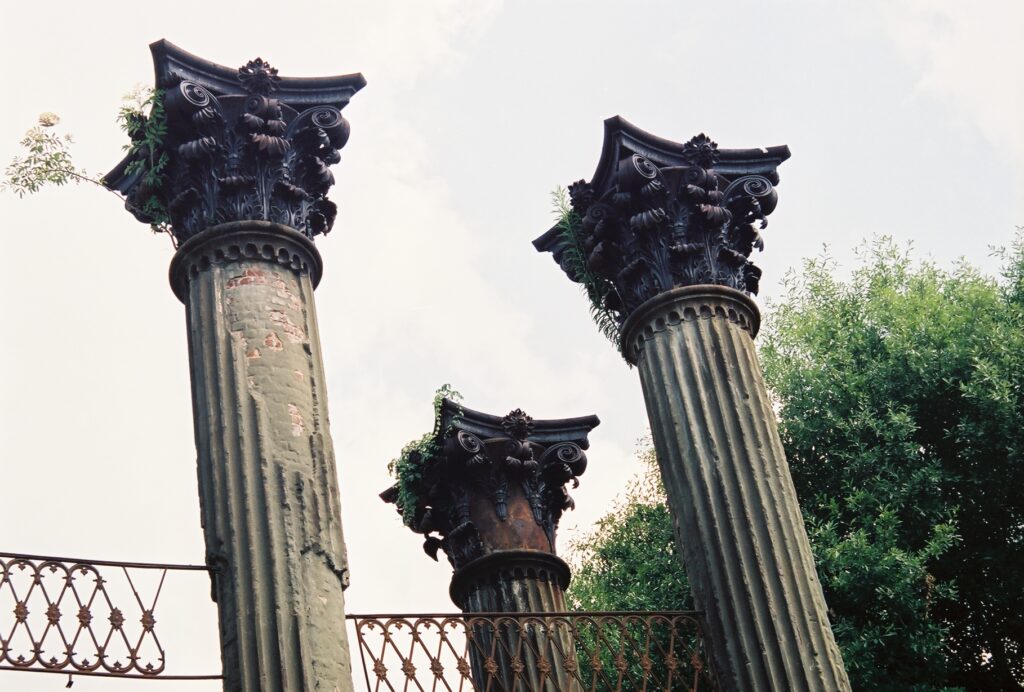
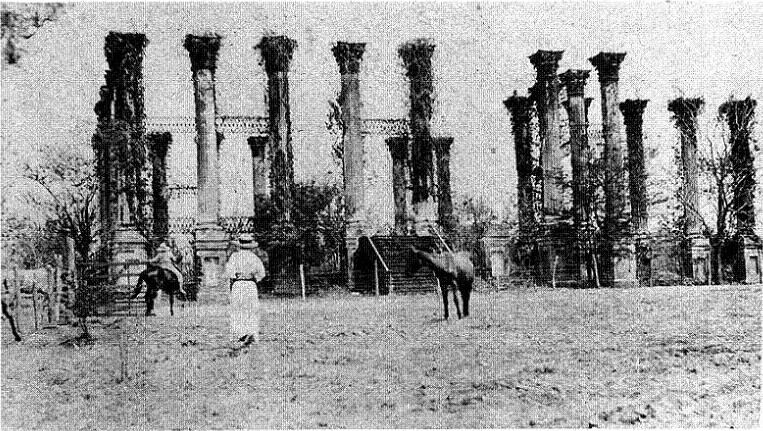
Twelve miles from the city of Port Gibson in Claiborn County is where Smith C. Daniell built his Greek Revival mansion with Italianate and Gothic influences. Windsor constructed by a workforce of six hundred people in 1861 at a cost of $175,000. which is now $5,749,326. (2022) Surrounding the house were twenty-nine columns of molded red brick and plaster built 30 feet high, which set on paneled stiles. Massive cast iron Corinthian capitals were placed atop each column with elaborately scrolled balustrades. Eight chimneys broke the roofline that carried smoke from the 25 fireplaces from which the mantels were constructed of Georgia and Tennesse marble. The three-story mansion was comprised of 23 rooms; with an attached three-story service ell that extended from the east side of the main block. Documentation from the Daniell’s family indicated that other outbuildings existed on the premises: a blacksmith shop, three steam gins, slave quarters, carriage house and stables. [3]
Windsor Plantation adjoined Daniell’s other Bruinsburg Plantation that bordered the Mississippi River. Bruinsburg Plantation had the advantage of being situated at a deep point on the river which provided a landing for his both of his plantations and others in the area which became known as Bruinsburg Landing. From his Windsor Plantation tower cupola, he could oversee his property at Bruinsburg.
More about Bruinsburg
About 14 miles west at the mouth of Bayou Pierre is the old river port settled by Peter Bryan Bruin in 1788. It was visited by Aaron Burr in 1807. Grant landed there in Vicksburg Campaign of 1863.
The village of Bruinsburg was established in 1796 and quickly became a landing of great importance.  Young Andrew Jackson, future President of the United States, established a small trading post. The arrival of the Civil War resulted in the economic collapse of Bruinsburg due to the decline in river traffic.  It became a ghost town in 1865.  The former town site is now private property.
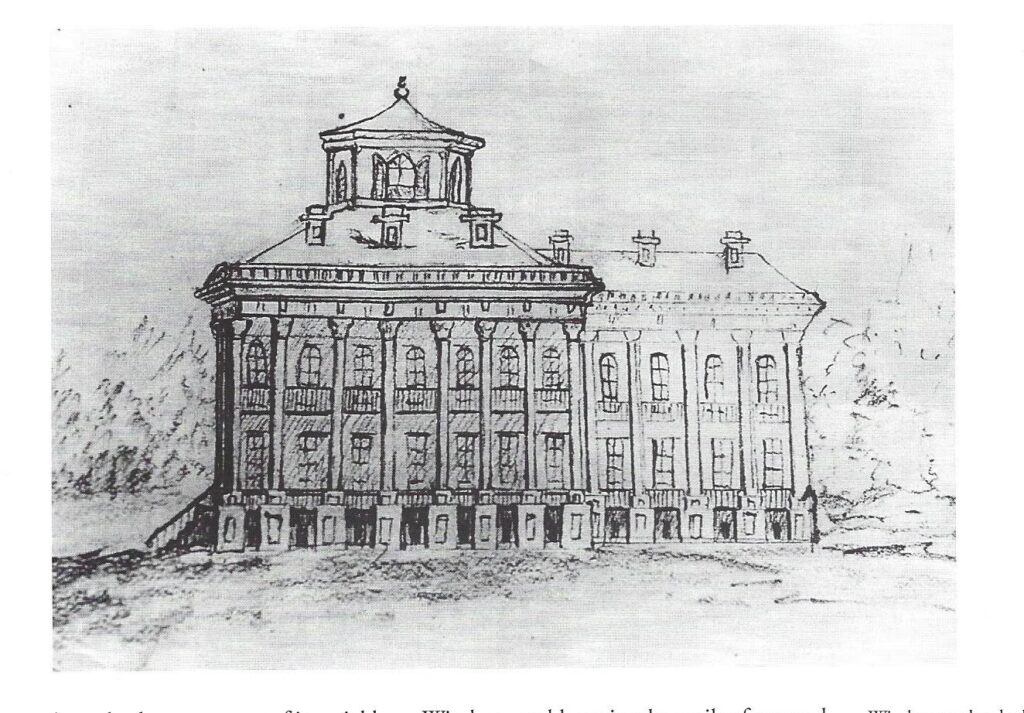
Below are the floor plans of Windsor (edited to view better) that was drawn by Smith C. Daniell, IV, from memory and measurements made of the ruins. The original plans were burned when the house was destroyed. The first floor was ground level. There was a smaller fourth floor which contained a ballroom, never finished and above this was the observation tower. [4] ~ Click to enlarge
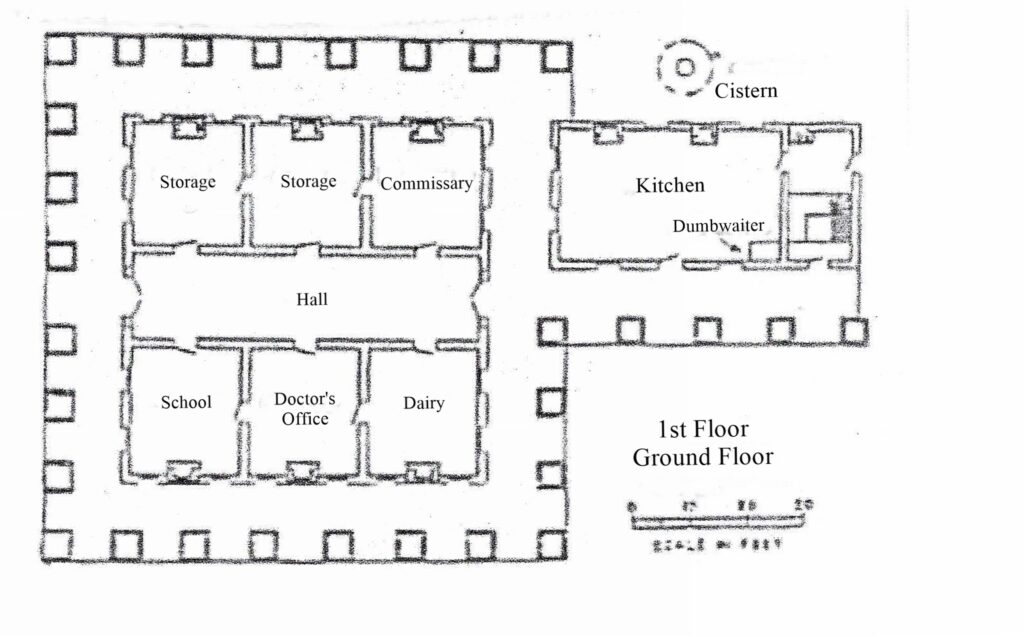
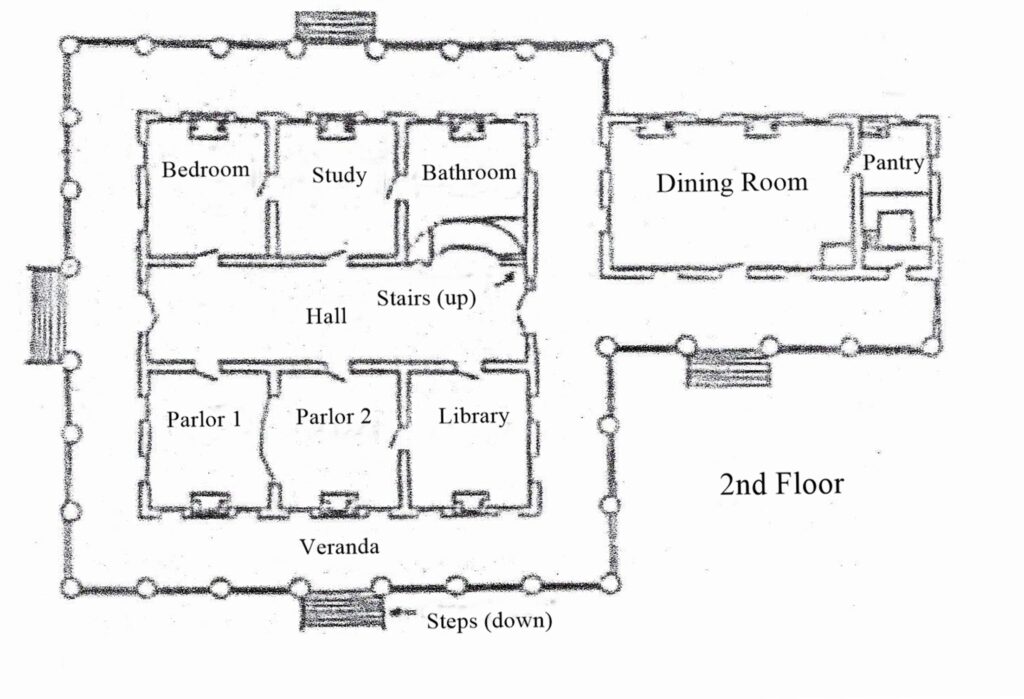
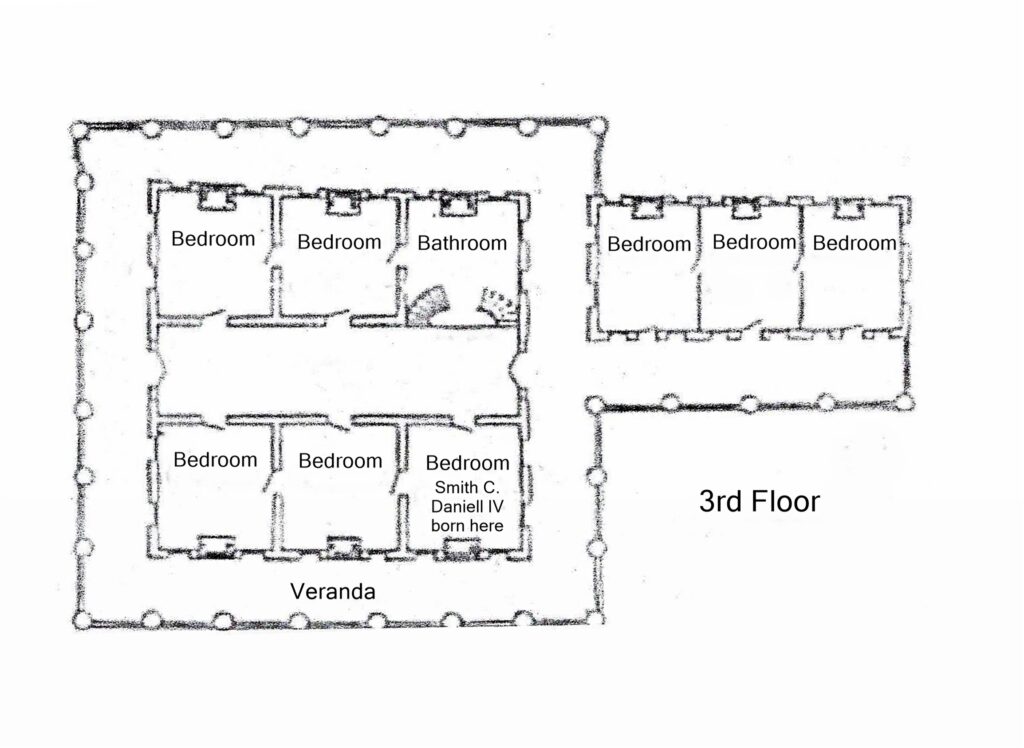
Smith C. Daniell, IV, the grandson of Smith & Catherine Daniell, described the plantation in great detail.

The porch encircled the whole house on three sides of the second and third floors making a total width of 92 feet by total length of 145 feet.  This mansion had fourth floor unfinished ballroom a glassed-in cupola with a catwalk as flooring.  The first three floors had a hall down the middle with three rooms on each side.  The dining room was above the kitchen wing in the rear and a dumb waiter was used for meals.  The third-floor wing above the dining room on the second floor, was divided into three 17’x24’ rooms with two rooms being bedrooms with a sewing room in the middle.

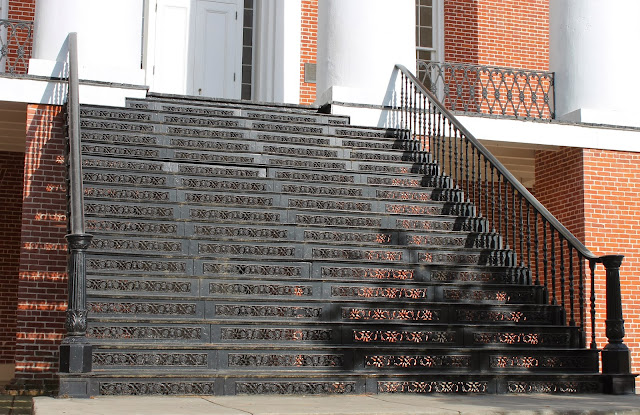
Four-foot-wide iron steps led to the second floor; another in the front of the house; one on each side-front; and lastly one on the right rear side.  Iron balustrades connected the posts which surround the porches.

The first floor was underneath the lower porch which covered the nine-foot-wide brick walkway inside the columns.  This ground floor contained seven rooms which included the schoolroom, doctor’s office, diary, and storerooms all having a ten-foot ceiling.

The second or main floor was the showcase floor for Daniell, had rooms with sixteen-foot ceilings.  All of these rooms either had custom-made furnishings or furnishings ordered from Europe through the New Orleans market.  In addition, each room had a different scheme color.

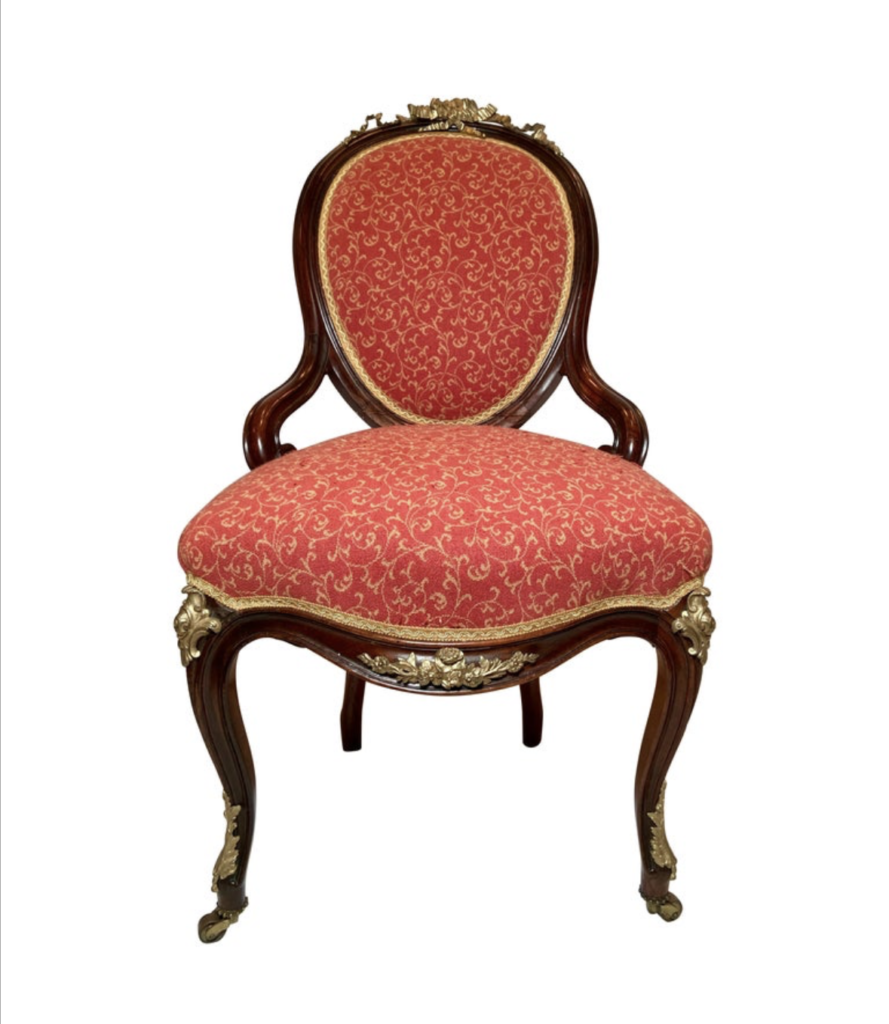
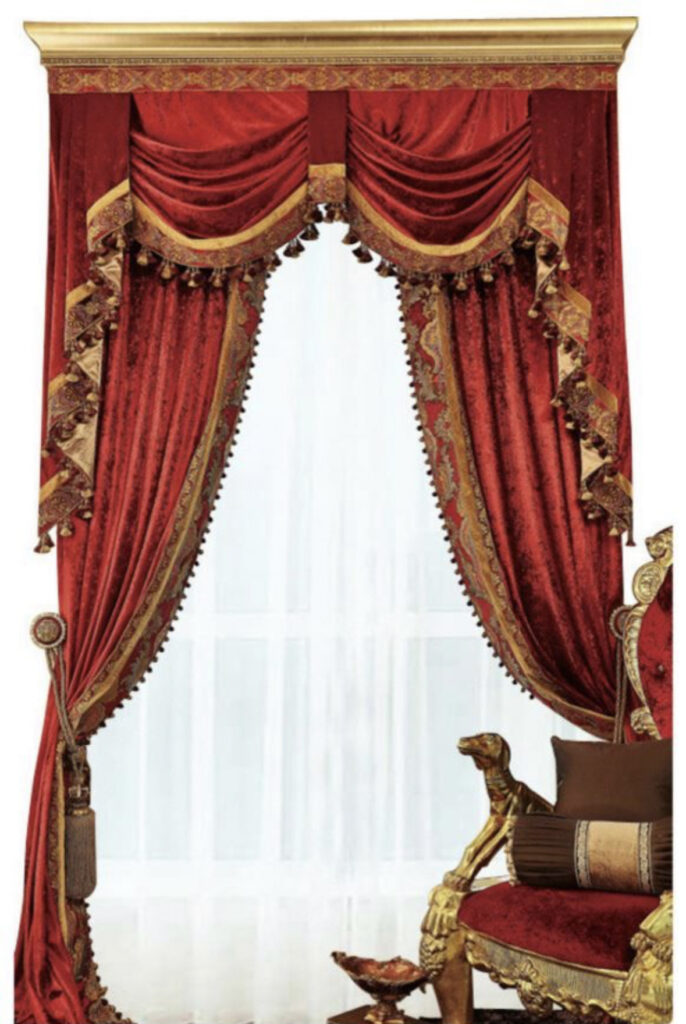
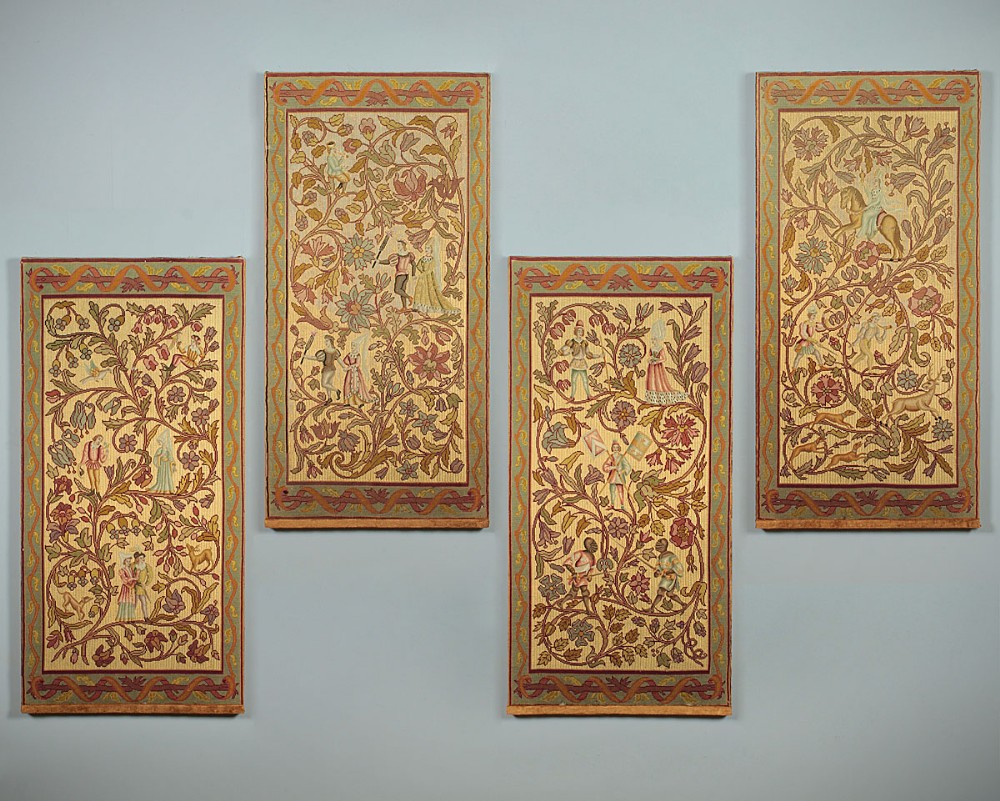
The first parlor on the main floor had white Italian marble mantels with trim.  The Rosewood chairs and divans (long, low sofas against a wall without arms or a back) were upholstered in heavy red brocade; along with draperies of red velvet with white silk lining.  These elegant draperies were held in place by tiebacks of gold rope with gold tassels.  Gold framed mirrors extended from the floor to within a few feet of the ceiling decorated the room with another mirror over the mantel.  The wall panels had imported tapestry decorated with gold leaf which complimented the imported Persian design rugs.  A grand crystal chandelier hung in the center of the room.

The second parlor had folding doors which joined the first parlor immersed in the green color scheme that featured green velvet draperies and green brocaded furniture.  On the opposite side of the parlors, was the Daniell’s bedroom, study, and bath.

Windor’s library had a black marble mantel with matching marble trim with ebony-trimmed mirrors.  A bronze chandelier hung in the middle of the ceiling complimented by a massive oak desk, oak bookcases, and oak armchairs.

This mansion had many elaborate features such as marble fixtures and tub in the bathrooms along with running water from the water tanks. The two (20 feet long x 7 feet wide x 5 feet wide) reservoirs under the roof collected rainwater falling off the roof.  Once the water reached a certain level, it was sealed by a float ensuring that the rest of the rainwater would run into the gutter.  A network of pipes connected to the tanks then gravity pulled the water through the pipes to the bathrooms.

The east wing was where the dining room was located over the kitchen.  The dining room was the largest room in the house measuring 39 feet by 24 feet.  It was so large that two fireplaces were required to heat this room.  Being the dining room was a pantry and stairs to the ground floor.

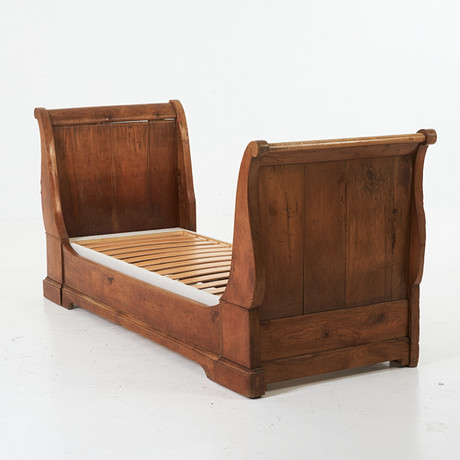
The third floor contained seven bedrooms, a sewing room, and one bathroom.  The bedroom color schemes varied from gold, blue, crimson, and green.  Mrs. Daniell’s selected small dainty half-canopy beds of rosewood instead of the large four-poster bed generally used.  [5]
White Silk Lining

Uninvited Yankees at Windsor Plantation
~ These stories were told by Smith Daniell III to his son Smith Danielle IV after the Civil War ~
“When it was time for a party, someone at Windsor would signal from the observatory with lanterns to the Confederates across the river when it was safe to cross. Messages of a military nature were also conveyed this way. When the signals meant a party would be held at Windsor, the soldiers knew that picked horses, ready to ride would be in the yard for those who made it across and needed to leave in a hurry.
“On one of these occasions, Windsor had a narrow escape … No troops were reported to be near Windsor so it was decided to signal friends, husbands and sons that there would be a party that night and that it would be safe to cross.
“One fact your grandmother so vividly recalled about that night was that it was clear and bright and that she had never seen the sky so illuminated with stars. She described to me how they had appeared to be winking and blinking at each other, ‘But,’ she had added, ‘they were our undoing. We had thought the lantern signals would be less noticeable than on a dark night, but the Federals at Bruinsburg Landing must have noticed the lights. However, I am getting ahead of myself…’
“She then told him that the ladies of the neighborhood had come during the afternoon and had decorated the first parlor with flowers; each had brought a cake or covered dish; and their best ball dresses.”
Smith Daniell III told his son: ‘I always believed this was your grandmother’s wedding party. It was just about this time she married Doctor Williams. However, the reason for the party was never mentioned in face of what happened.’
“… There are two stories told, the one your grandmother related to me was that the Federals at Bruinsburg Landing saw the signal lights flashed to the Louisiana side and came to Windsor, knowing the lights would bring the Confederate soldiers.
“The officer in charge ordered some of his men to search the house for the signal lights but they were not found. Your grandmother had hidden them under the mattresses in the attic … The other story is told in a letter later sent to Windsor… Daniell III read the letter to his son:
Grand Gulf, Miss.
Fall of 1864

Dear Folks:
Recently my commanding officer gave me orders to proceed to Grand Gulf, Miss. on a river gunboat, and while tied up there) to take a detail of Marines at night, and two yawls, proceed down the river to Bruinsburg and land and approach Windsor Castle, a noted point for the transmission of messages, etc., across the river by the Confederates.

Accordingly, after dark, I took two yawls and a detachment of men and went down the Miss. River and when we landed found that we had passed by Bruinsburg-but we landed, left the two yawls in care of few marines.  took the rest, along with a lieutenant and a sergeant, and walked on tip to "Windsor." On arriving there I told the Lieutenant to take the men and surround the rear of, and I and the sergeant would enter the front.  So I knocked on the front door of the house and in due time the door was opened by a Negro maid, who said, "Come in, Gentlemen."

So we entered, and there in the parlor of the house was quite a party, singing and laughing and having a fine time generally. Among them were three Confederates dressed in their grey uniforms.

I walked in and went up to the one that seemed to be in command, touched him on the shoulder, "Are you a Confederate officer?" and he promptly replied, "Yes, I am."

At this the singing stopped, and the ladies present came around and insisted that we Yankees were not gentlemen, and that we just should not spoil their evening by arresting and taking prisoner these three Confederates. The ladies grew very boisterous and attacked us with their fists and fingernails and refused to allow the arrest.

The lieutenant and his detail came in from the rear and we then took the three rebels prisoners and marched them down the river edge from Windsor to where our yawls had been left and loaded them and went back up the river to Grand Gulf where the Gunboat was tied up, it being late at night when we arrived there, we then took them to Vicksburg where they were placed in prison.

-Signed, Captain U.S.  Marines (The name of the captain is blurred and unreadable.) [6]
“The letter came too late for those at the party to know that the stars had not given them away and that it was a set trap. The Federals had known for sometime that messages of a military nature were relayed from Windsor tower to Confederates across the river.
“From that night the Federals put guards at the front and rear doors of Windsor. One of the guards was shot, General Grant sent a strong detachment from Bruinsburg to burn the house but your grandmother begged them not to burn it. She reminded General Grant that she had been good to his soldiers and had nursed the wounded from the Battle of Grand Gulf. She also explained to him the work and money that had gone into the building of Windsor and if her home were burned, her family would have no place to go and would have to live under the trees. So General Grant spared the house but burned the barn as a lesson to the family. Despite its narrow escape, Windsor survived the Civil War.” [7]
Photographs of Windsor Ruins taken June 2002


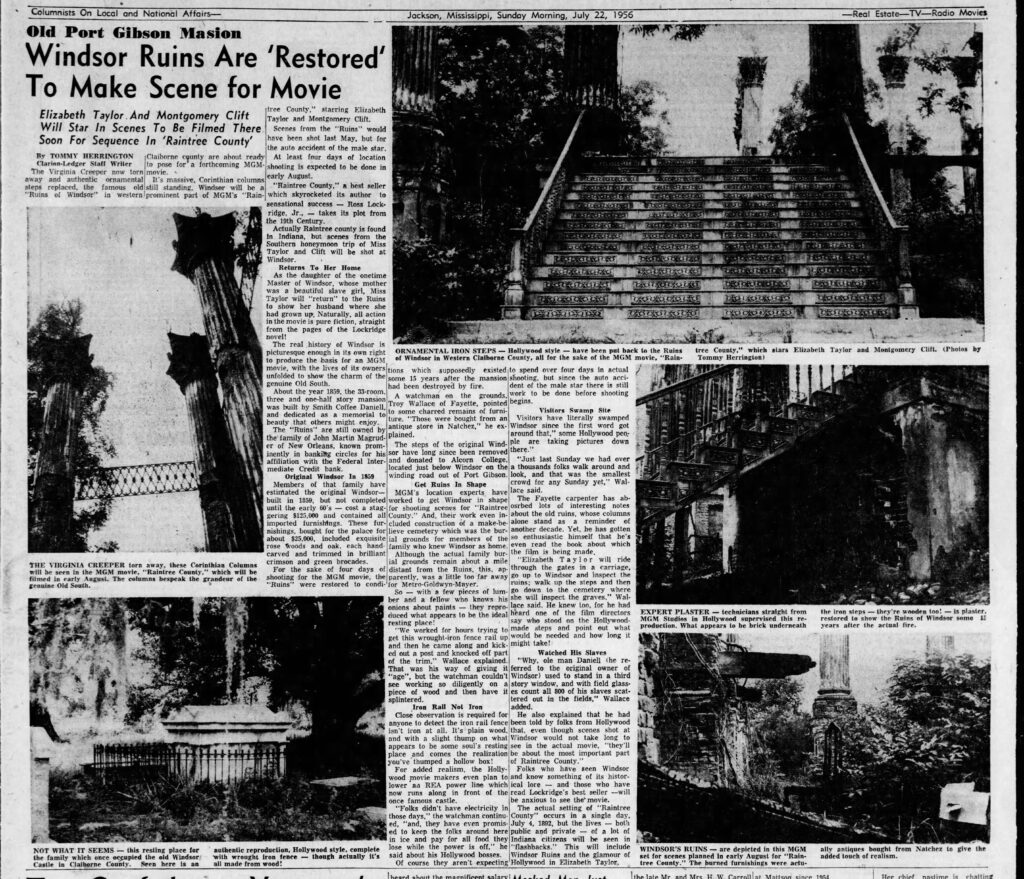
Clarion-Ledger Newpaper
Jackson, Mississippi
Sunday, Jul 22, 1956 (Page 35)

Old Port Gibson Masion
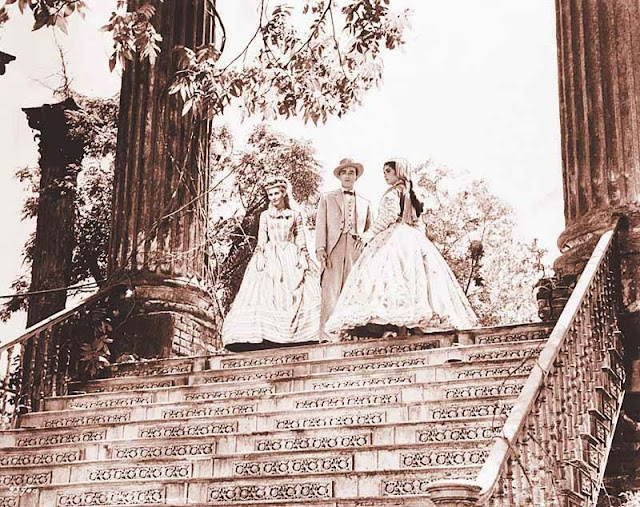
Windsor Ruins Are 'Restored' To Make Scene for Movie

Elizabeth Taylor and Montgomery Clift Will Star in Scenes to Be Filmed There Soon for Sequence In "Raintree County"
By TOMMY HERRIXGTON

The Virginia Creeper now torn away, and authentic ornamental steps replaced, the famous old "Ruins of Windsor" in western Claiborne County are about ready to pose for a forthcoming MGM- movie.

It's massive, Corinthian columns still standing, Windsor will be a prominent part of MGM's "Raintree County," starring Elizabeth Taylor and Montgomery Clift.

Scenes from the "Ruins" would have been shot last May, but for the auto accident of the male star.

At least four days of location shooting is expected to be done in early August. "Raintree County," a best seller which skyrocketed its author to sensational success- Ross Lockridge, Jr. - takes its plot from the 19th Century.

Actually, Raintree County is found in Indiana, but scenes from the Southern honeymoon trip of Miss Taylor and Clift will be shot at Windsor.

Returns To Her Home
As the daughter of the onetime Master of Windsor, whose mother was a beautiful slave girl, Miss Taylor will "return" to the Ruins to show her husband where she had grown up. Naturally, all action in the movie is pure fiction, straight from the pages of the Lockridge novel!

The real of Windsor is picturesque enough in its own right to produce the basis for an MGM movie, with the lives of its owners unfolded to show the charm of the genuine Old South.

About the year 1859, the 33-room, three and one-half story mansion was built by Smith Coffee Daniell, and dedicated as a memorial to beauty that others might enjoy. The "Ruins' are still owned by the family of John Martin Magruder of New Orleans, known prominently in banking circles for his affiliation with the Federal Intermediate Credit bank.

Original Windsor in 1859
Members of that family have estimated the original Windsor-built in 1859, but not completed until the early 60's cost a staggering $125,000 and contained all imported furnishings. These furnishings, bought for the palace for about $25,000, included exquisite rose woods and oak, each hand-carved and trimmed in brilliant crimson and green brocades.

For the sake of four days of shooting for the MGM movie, the "Ruins" were restored to conditions which supposedly existed some 15 years after the mansion had been destroyed by fire.

A watchman on the grounds. Troy Wallace of Fayette, pointed to some charred remains of furniture. "Those were bought from an antique store in Natchez," he explained. The steps of the original Windsor have long since been removed and donated to Alcorn College, located just below Windsor on the winding road out of Port Gibson.

Get Ruins in Shape
MGM's location experts have worked to get Windsor in shape for shooting scenes for "Raintree County." And, their work even included construction of a make-believe cemetery which was the burial grounds for members of the family who knew Windsor as home.

Although the actual family burial grounds remain about a mile distant from the Ruins, this, apparently, was a little too far away for Metro-Goldwyn-Mayer. So with a few pieces of lumber and a fellow who knows his onions about paints they reproduced what appears to be the ideal resting place!

"We worked for hours trying to get this wrought-iron fence rail up and then he came along and kicked out a post and knocked off part of the trim," Wallace explained. That was his way of giving it but the watchman couldn't see working so diligently on a piece of wood and then have it splintered.

Iron Rail Not Iron
Close observation is required for anyone to detect the iron rail fence isn't iron at all. It's plain wood, and with a slight thump on what appears to be some soul's resting place and comes the realization you've thumped a hollow box!
For added realism, the Holly wood movie makers even plan to lower an REA power line which now runs along in front of the once famous castle.

"Folks didn't have electricity in those days," the watchman continued, "and, they have even promised to keep the folks around here in ice and pay for all food they lose while the power is off, he said about his Hollywood bosses. Of course they aren't expecting to spend over four days in actual shooting, but since the auto accident of the male star there is still work to be done before shooting begins.

Visitors Swamp Site
Visitors have literally swamped Windsor since the first word got around that, "some Hollywood are taking pictures down there." "Just last Sunday we had over a thousand folks walk around and look, and that was the smallest crowd for any Sunday yet," Wallace said.

The Fayette carpenter has absorbed lots of interesting notes about the old ruins, whose columns alone stand as a reminder of another decade. Yet, he has gotten so enthusiastic himself that he's even read the book about which the film is being made.

"Elizabeth Taylor will ride through the gates in a carriage, go up to Windsor and inspect the ruins; walk up the steps and then go down to the cemetery where she will inspect the graves," Wallace said. He knew too, for he had heard one of the film directors say who stood on the Hollywood-made steps and point out what would be needed and how long it might take.

Watched His Slaves
"Why, ole man Daniell (he referred to the original owner of Windsor) used to stand in a third story window, and with field glasses count all 800 of his slaves scattered out in the fields," Wallace added.

He also explained that he had been told by folks from Hollywood that, even though scenes shot at Windsor would not take long to see in the actual movie, "they'll be about the most important part of Raintree County."

Folks who have seen Windsor and know something of its historical lore and those who have read Lockridge's best seller will be anxious to see the movie.

The actual setting of "Raintree County" occurs in a single day, July 4, 1892, but the lives both public and private of a lot of Indiana citizens will be seen in "flashbacks." This will include Windsor Ruins and the glamour of Hollywood in Elizabeth Taylor.

Note: The burned furnishings were actually antiques bought from Natchez to give the added touch of realism.
Visit to Windsor Ruins in 1924
Author J. Frazier Smith visited Windsor in 1924 and wrote about the history and architecture.  In his visit to Port Gibson, he came across a former slave who served as a Mammy who was 102 years old that she remembered Smith and Catherine Danielle and she has also been a ladies' maid for the guest.   She also told him about the "fish pond" on top of the roof of this mansion which was the tank on the deck roof where water was pumped through led pipes and headed in the sun for Mrs. Danielle's bath.

Mr. Smith also was told how this place was given the name "Windsor."  The name was derived from the slaves living nearby when "they heard the eerie music the wind made through the huge capitals." [8] After Windsor was completed, it was the pride of the town of now turned ghost town of Bruinburg, Mississippi by south bank of Bayou Pierre and three miles east of the Mississippi River.
EPILOGUE
"Ironically, the beautiful mansion spared by General Grant was destined to be destroyed by fire.
Before this tragedy took place, the house knew the joy of three births, Smith Coffee Daniell III, George Williams, both Civil War babies, and Smith Coffee Daniell IV...

Even more ironically, the foe that destroyed fabulous Windsor was to be witnessed by the grandson of the builder Smith Coffee Daniell IV; and the last boy born in the home bearing the family name. His eye-witness account can be, without doubt, accepted as authentic, and is as follows:

It was on Monday, February 17, 1890, about 10:30 a.m. that Windsor burned while a house party was being enjoyed by the young people, neighbors and friends.  There were about twenty people present among whom were Linzee Evans, Marie Morehead, Nannie and Jim Magruder.

The party had gone to the observatory, including myself, to get a good view of the river and Louisiana.
Coming down, a young man threw his cigarette into shavings made by carpenters doing some repairs on Saturday.  The party then decided to go to Point Lookout to get still another view of the river and Louisiana; but I stopped in the hall on the third floor to play a piano I called my own.

Suddenly Emily Williams, a house girl, screamed, 'Fire, Fire.'  Two buckets of water were sent up but it was too late and I was told to leave the house.  Then the whole family, guests and house servants, stood on the lawn and watched Windsor burn.

Nothing was saved except a few pieces of china snatched from the wall niches, small handpainted photographs and a few other things.  Two of the four pair of steps were broken up so badly, they were sold as scrap iron during the Second World War. Other pair is at Alcorn College, the old Oakland College.  The other pair is reported to be at Bilbo's Dream Cottage near Poplarville, Miss.

Sightseers continue to view the ruins." [9]

Note: All photographs and drawings of the mansion were lost in the fire.
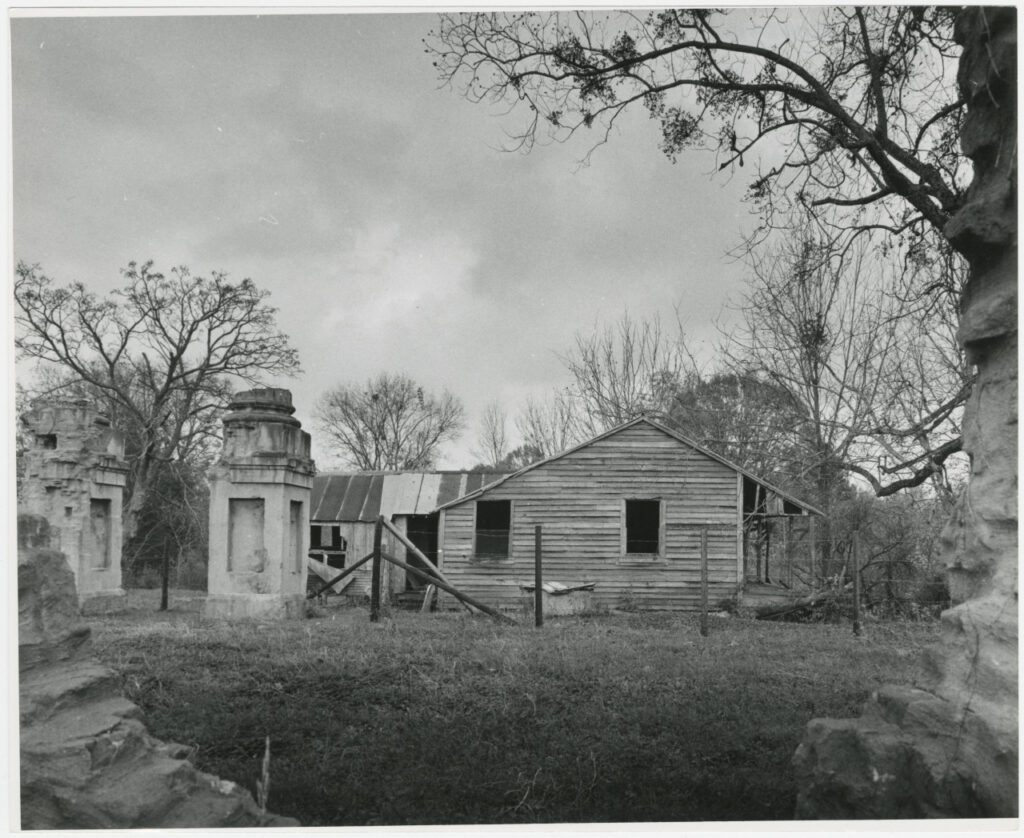
More Windor History ~ Memories from a Great-Great Grandson
~ Stories about Grant’s Army, Mark Twain, and the night Windsor burned ~
Colonel and Mrs. Sam Magruder gave an oral interview in 1973 on what they remembered about Windsor Plantation. Mr. Magruder’s mother Katherine Crane Daniell was born at Windsor Plantation … the house faced out toward the big live oak tree that is still standing on the grounds around Windsor. And to the right, where the pond presently is, was the orchard area. On the other side, I believe, was the garden… I do remember that they said the four sides went up; and the roof went up in four sides and at the top was a glass observatory.
The little incidents that happened there my grandfather, [Thomas Freeland Daniell] was born in 1852, approximately that time … He was about eight years old during the War Between he States. It was told me by him and also my great-aunt who was about thirteen or fourteen during the War Between the States, Priscilla Daniell, an incident after the Battle of Port Gibson during Grant’s Vicksburg Campaign. Grant landed at Bruinsburg which was due west of the home and marched up through there. At this time, my grandfather was a young boy. They had some nice horses, one called Aladdin. His horse was confiscated by one of the generals in Grant’s Army; my sister thinks that his name was Clark, however; he later became military governor of Louisiana. He took this horse, and my grandfather, who had very good command of plain ordinary profanity at the age of eight years called him all sorts of things including a thief – screamed at the horse to throw him in the pond. After the War, this general sent my grandfather a $150.00 check to pay for the horse. He stated in his memoirs … that the only time in his life that he had ever been called a thief and the only time that he ever felt like a thief was when he took this young rebel boy’s horse. My grandfather returned the money to him and would not accept it.
After the Battle of Port Gibson they used the porches of Windsor for a hospital for the Federal troops that were wounded during the Battle of Port Gibson. They had two sentries stationed there, armed sentries. One was on duty in the day and one at night. The family became very attached and fond of the sentry, and I don’t recall his name. However, this sentry went in with the family every night for family prayers event and joined the family. One night as the sentry was leaving family prayer – he walked out first – some Confederate had slipped into the house and shot him as he was walking out of the room, the parlor where they were having family prayer. My grandfather, eight or nine years old by this time, was walking right behind him. They laid him out on the sofa in the hall and, according to my great-aunt who was a very pious woman, my grandfather cursed, prayed and cried all in the same breath. My grandfather was very fond of this man. The sentry died. There was a threat to burn Windsor, but after investigation they found there was no complicity in the family. The family was just as horrified that this had happened as the troops were, and they continued using it for a hospital, and then moved on out.
The next little thing I remember my mother telling me when Windsor burned… that she was there … everyone rushed outside … a few [people] grabbed whatever they could get their hands on… the items existing today that came out of Windsor are rather astonishing. My great-aunt Priscilla got her diamond and she had a diamond cross that had seven diamonds in it. It went to my two sisters, and they have used it as engagement rings for their daughters-in-law or daughters, I guess. My sister Agnes Coleman has two vases, very pretty, though chipped some, and a fruit compote … and also a chaise longue that came out of Windsor. My mother recalled and told me a number of times about standing under the big live oak tree out front and weeping because her dolls were burning there in Windsor. These are the little things that I remember.
Also, we had a nurse we called Mammy. Emily was her name, and I don’t know her last name. She was a playmate of our great-aunt … [She] after the Union troops came through, she went north a year and came back and remained at Windsor until her death. She nursed my mother when she was a baby, she nursed my sisters, my brothers, down including me. We called her Mammy or Aunt Emily. She lived to be about ninety-five years old, and even up until the last few years of her life, she could be sitting flat on the floor and would jump right up; she was as strong as could be.
I can remember getting very seriously reprimanded by Mammy, or Aunt Emily, once when I mentioned slaves on the place, and she very sternly told me they were not slaves, they were the family’s people, and that is what they were, and not slaves. “We weren’t slaves, we was the people of the family.”
Now going back to the Civil War War Between the States as I was taught to call it by my history teacher, Katie Headley – on top where the roof came up there was a glass observatory. It was used by the Confederate forces to signal troops across the river on the Louisiana side. The flag was still there when the house was occupied by the Federal troops, and the family was very concerned that they might find these and burn the house down. They didn’t find them.
One story also my grandfather told me was about meeting Mark Twain. He went as a young man to Kentucky Military Institute and played baseball; and he was at a baseball game once and met Mark Twain, and he asked him, ”Where are you from?” He said, “I’m from Mississippi, Thomas Daniell.” Mark Twain said, “Oh, yes, you live in the big house on the bluffs above Bruinsburg.” There are stories that Mark Twain considered it a girls’ school; but from what my grandfather told me, he knew exactly who owned it and what it was while he was a pilot on the Mississippi River. I don’t know the date of this, but this was one of the stories that he told me.
… Going back to the story of the reservoir Windsor did have plumbing and after or during the occupation of it by the Federal troops, the plumbing system was taken out. It was reasonable to assume that the pipes in it were lead pipes as they use even today in a lot of the French homes, and lead was at a premium for making mini-balls. Each soldier had his own mini-ball mold. Very probably this is what happened. There were two water reservoirs, up on one of the top floors, filled by rainwater and provided the flowing water for the plumbing system of the house, simply operated by gravity. After they took the pipes out, not having any others at this time, they used those as kind of an indoor swimming pool. I imagine they were square tanks; my great-aunt remarked that they swam in them.
I was told by my great-aunt that there were two solid silver services in the family silver, and that they burned up, and there was a lot of looking around there; maybe somebody found where the silver melted and collected it. We have no idea of that. The family china, which we have one coffee cup, according to my great-aunt was one thousand pieces, made in England specially for the house. And it had the family monogram – SCD – on the china. It was pink with gold trim, pink bordered. The fire burned this pink and turned it black, and it was some type of pigment.
… [Mrs. Catherine Daniell and family] ended up living at Retreat … One of the family properties … We understand they did not move into the main house. Where did they live at Retreat? Katherine says that she remembers Auntie saying they moved into the overseer’s home at Retreat, and they never tried to rebuild anything of a house on Windsor … Here they had moved out of that tremendous mansion, moved into an overseer’s house, and that’s the way they lived. They didn’t have all the servants that they had before … The end of the Civil War and the fire on top of that seemed to destroy any incentive to do anything except to survive. They tried to replace nothing from what we can understand. [10]
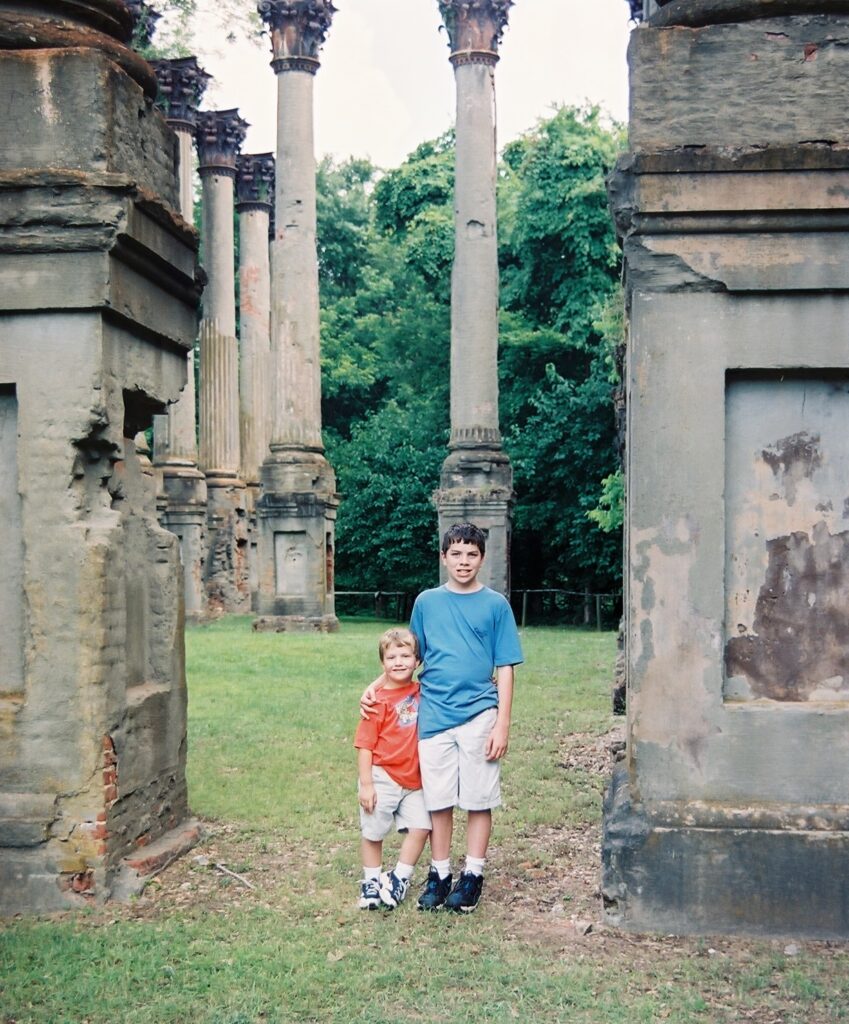
Photographs taken in 2002 & 2013
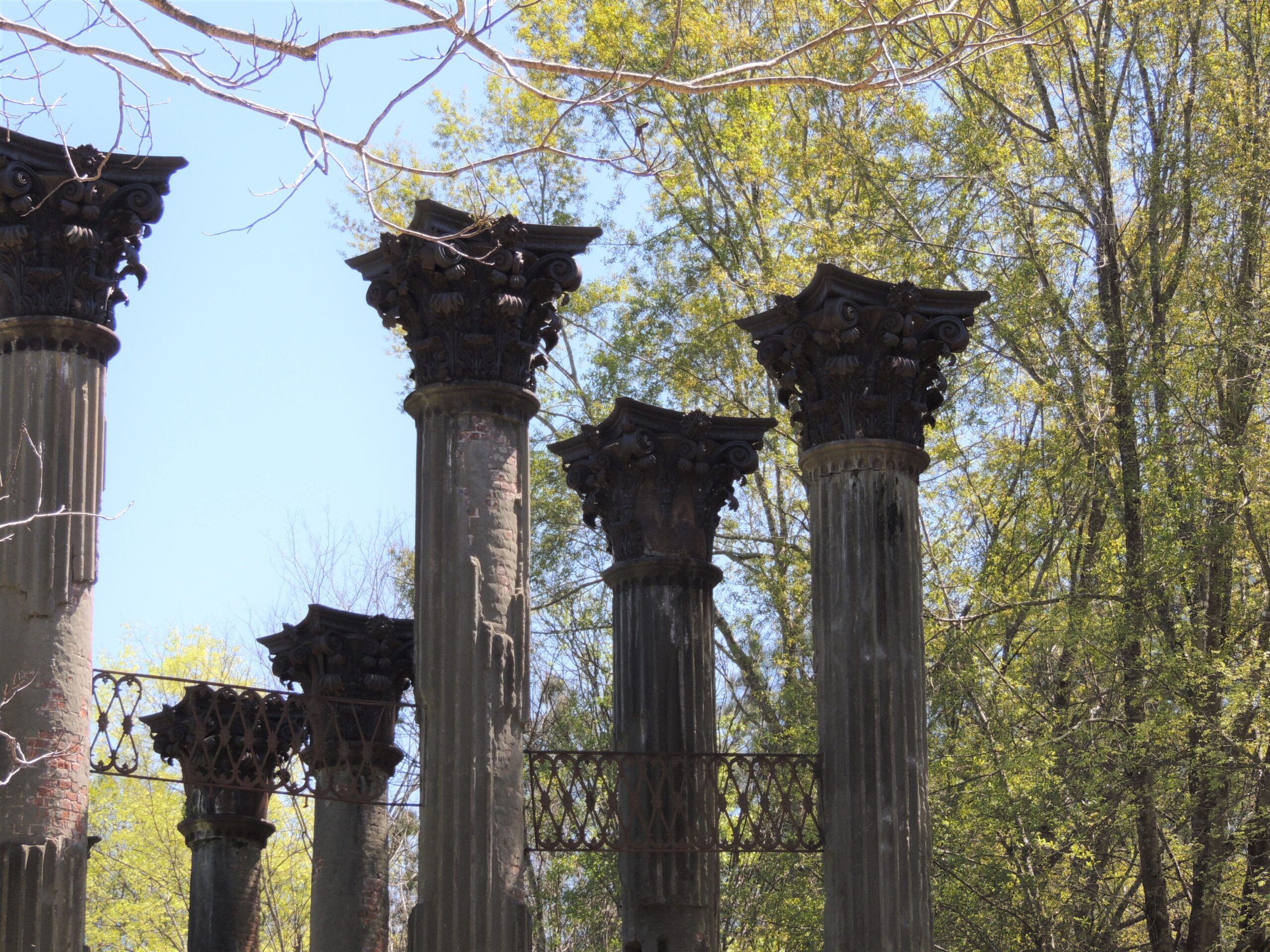
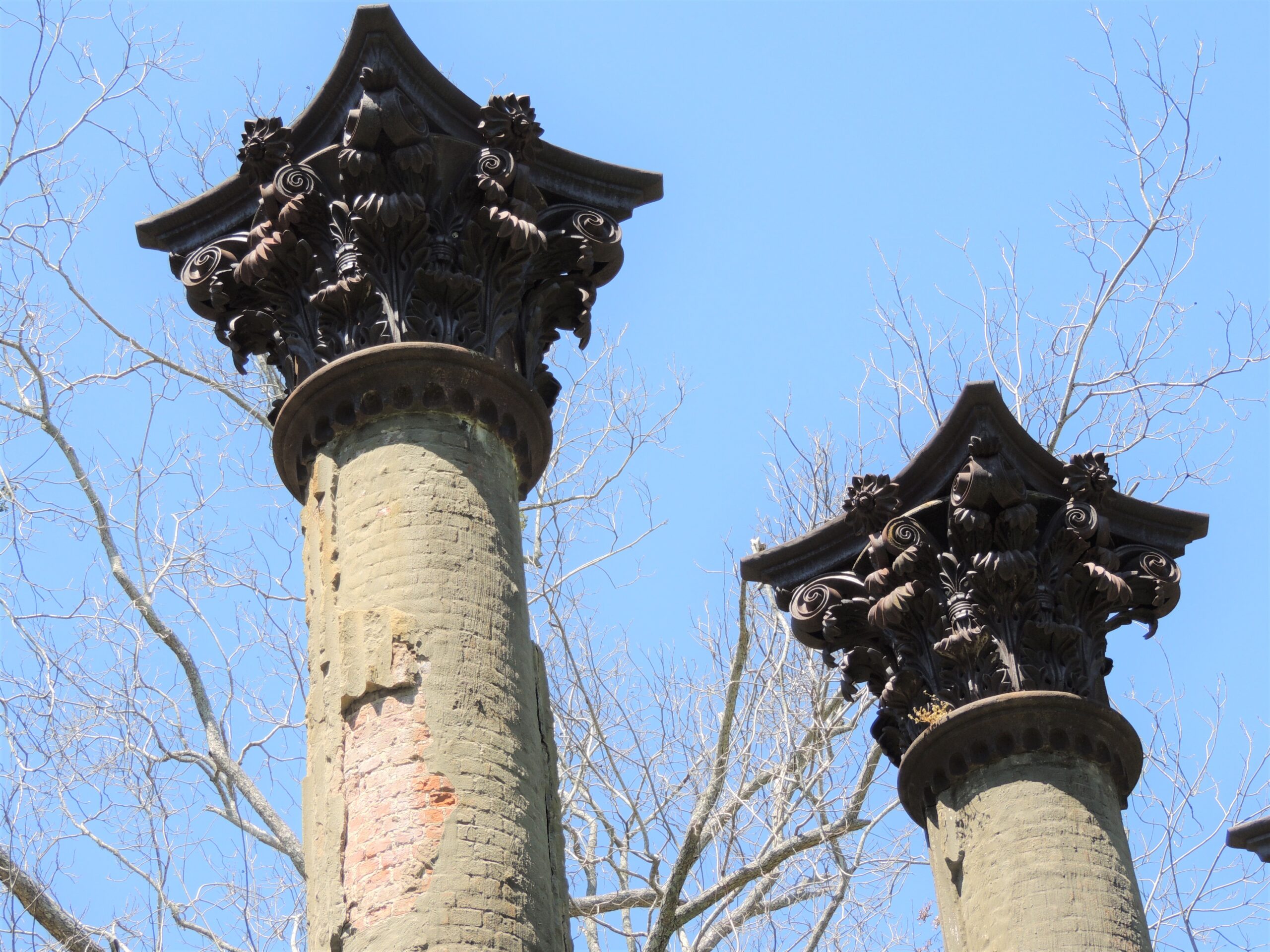
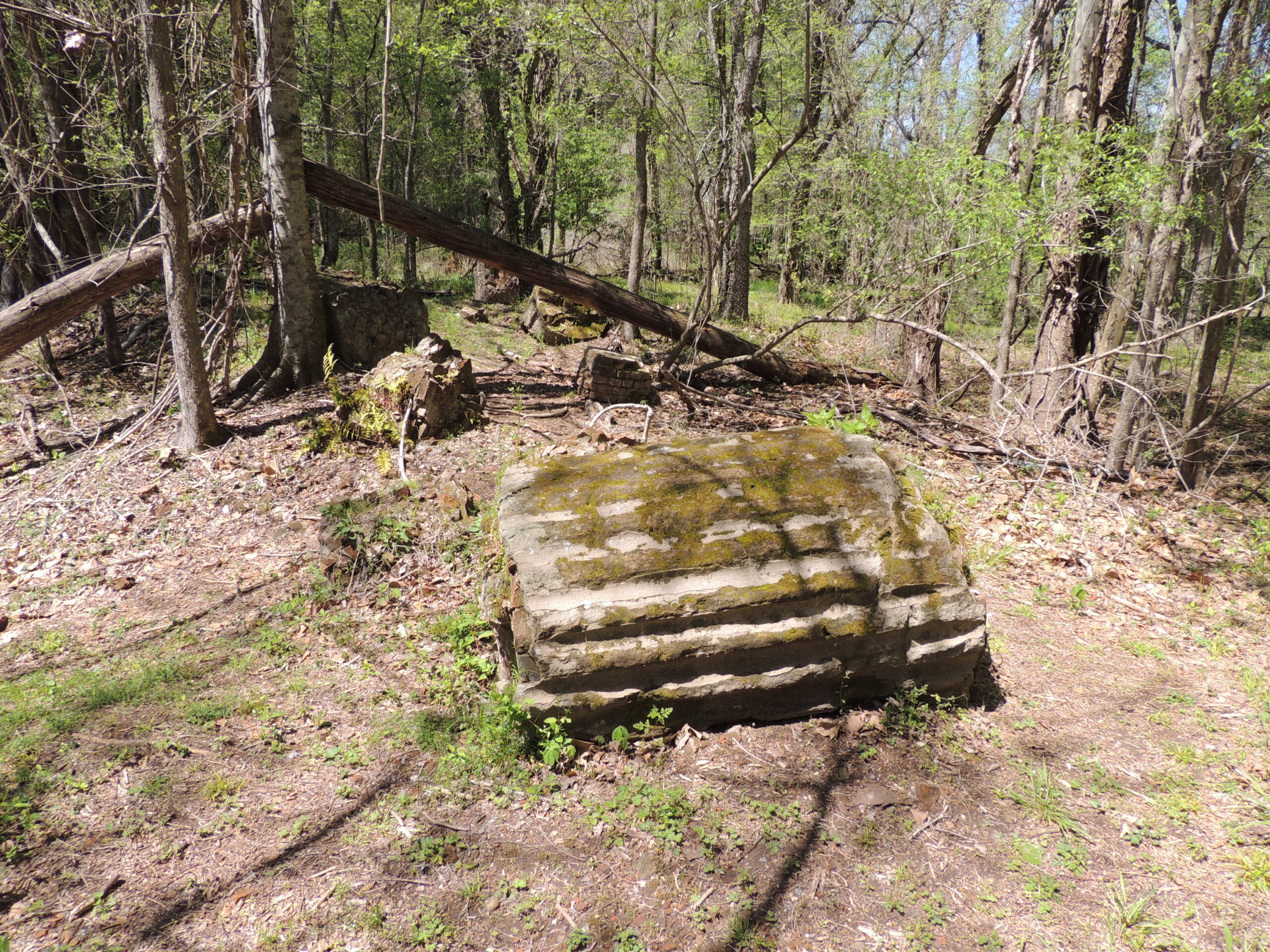
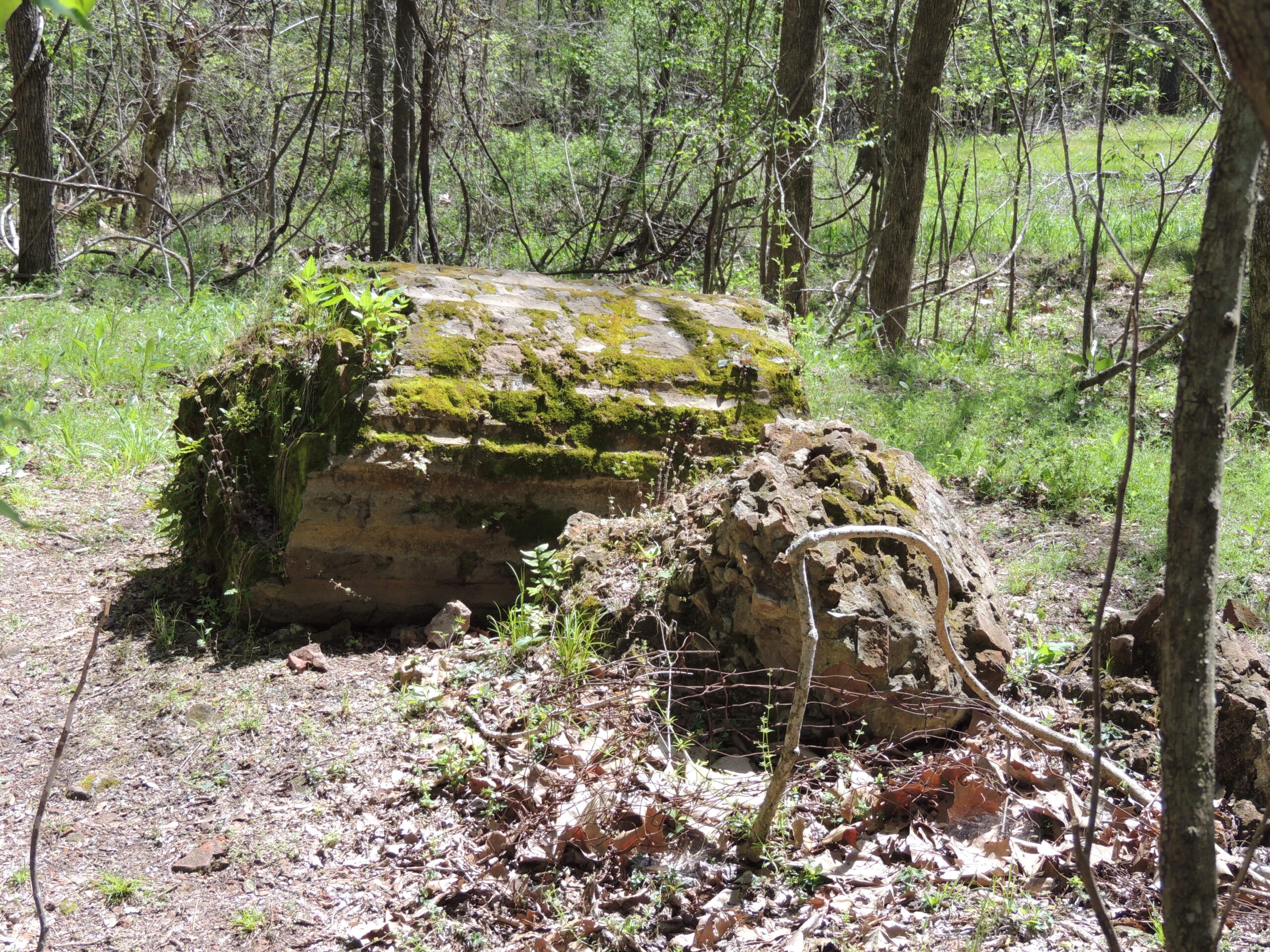
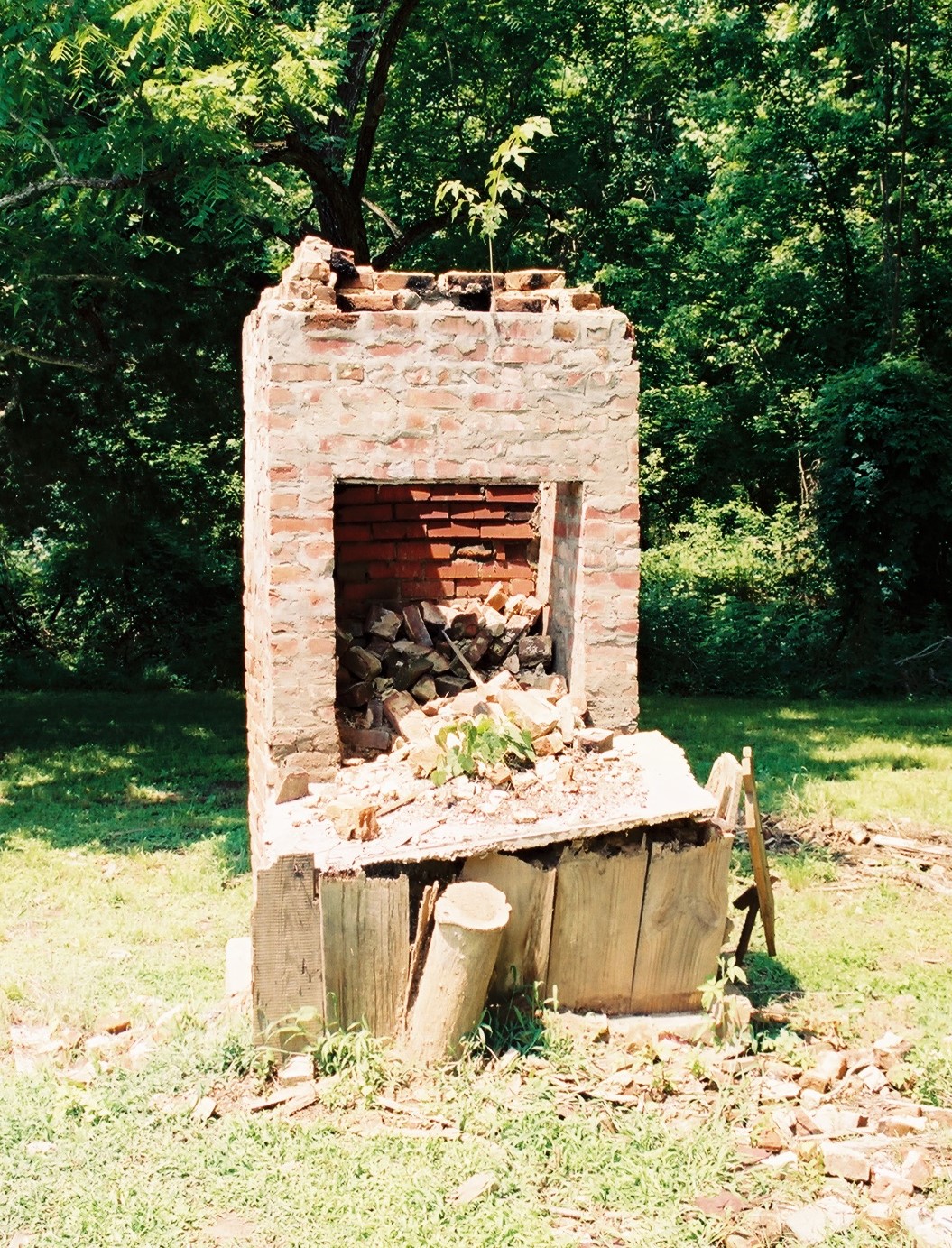
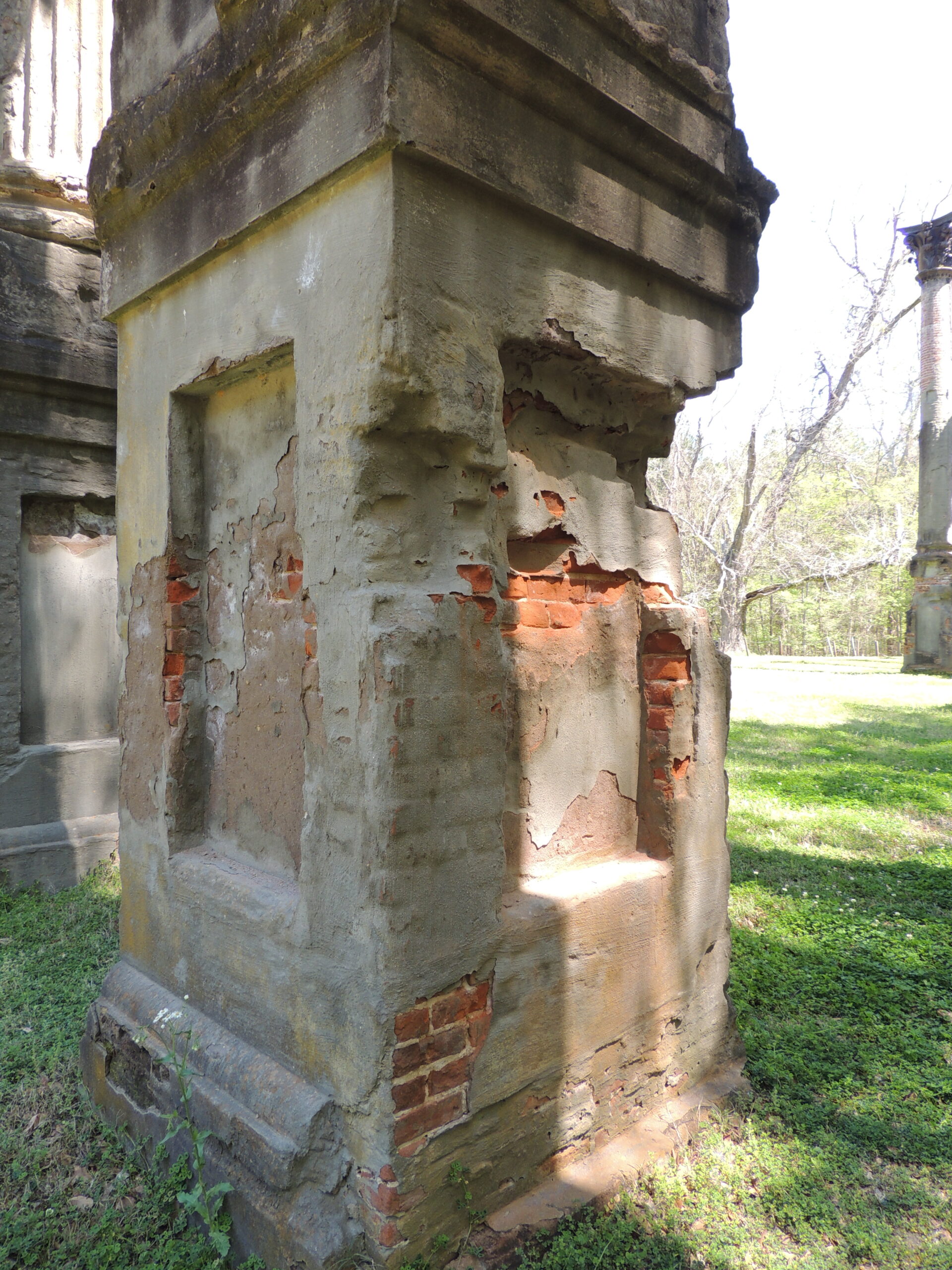
Highly Recommended.
Website: https://mdah.ms.gov/explore-mississippi/windsor-ruins
Location: Port Gibson, Mississippi- ruins are located 12 miles southwest of Port Gibson on Hwy 552.
Comments from visit:
Over the years visiting Windsor Ruins, I never tire of seeing the beauty and sadness of this place.  The columns seem to guard the land hauntingly, reminding us of the magnificence it once was.  Walking in among these columns, you really get a sense of how large this mansion was.  On my last visit, there was just a wood fence and you could walk around the columns.  Now they have placed a higher metal fence around it so you cannot enter so easily.
These standing columns stand as a monument to the disappearance of the Old South. These massive columns are very impressive and a breath-taking experience!
References
1] Marie T. Logan, Mississippi-Louisiana Border Country: A History of Rodney, Miss., St. Joseph, La., and Environs, (Baton Rouge: Claitor’s Publishing Division, 1980), p. 254. (original printing 1970)
[2] Logan, 257.
[3] National Park Service, “Windsor Ruins,” (National Register of Historic Places Property Report, United States Department of the Interior, 1992), p. 22. https://www.apps.mdah.ms.gov/nom/prop/3600.pdf
[4] National Park Service, 42.
[5] Logan, 254-257.
[6] Letter thought to be found on battlefield – Interpreted by the late L.B. Allen, Port Gibson, Miss. quoted in Marie T. Logan, Mississippi-Louisiana Border Country: A History of Rodney, Miss., St. Joseph, La., and Environs, (Baton Rouge: Claitor’s Publishing Division, 1980), p. 269.
[7] Logan, 267-271.
[8] Joseph Frazer Smith, Plantation Houses and Mansions of the old South, (New York: Dover Publications, 1941), p. 107.
[9] Logan, 272-273.
[10] Magruder, Colonel Sam and Mrs. Sam Magruder. Interview by James Stone. 14 September 1973. OH# 75-24, Oral History Project, Mississippi Department of Archives and History, https://da.mdah.ms.gov/vault/projects/OHtranscripts/AU156_015932.pdf. Accessed 16 September 2023.
